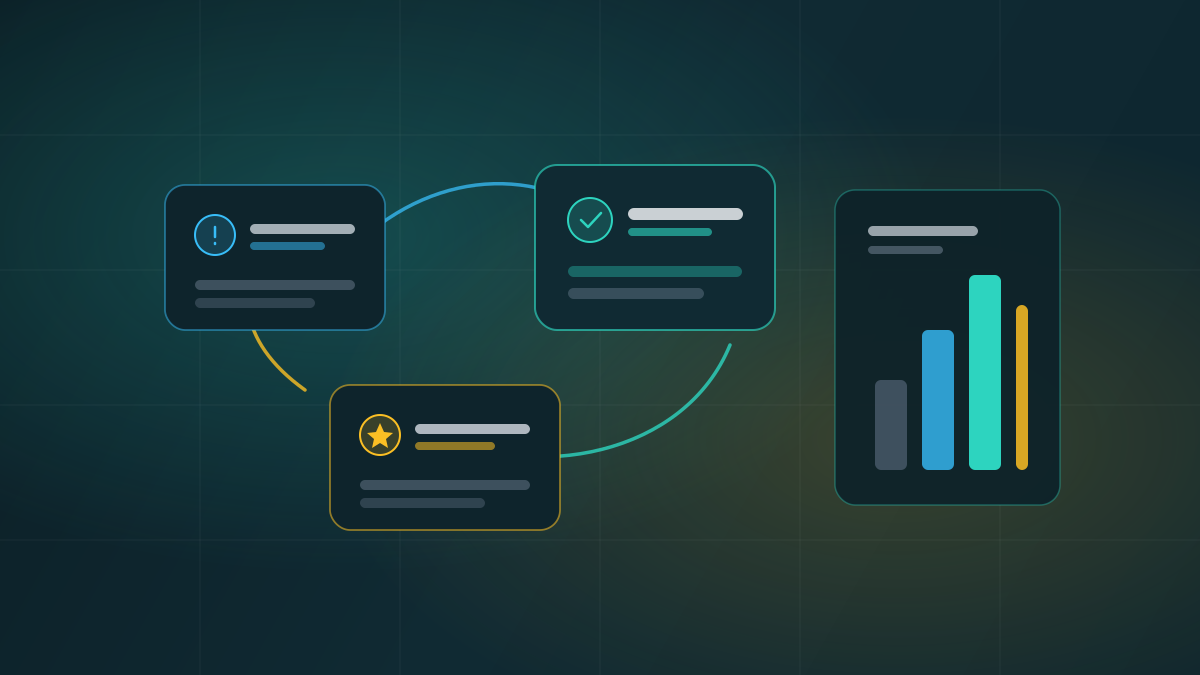
A significant share of corporate training budgets goes into digital courses disconnected from daily work. A well-structured Corporate Learning Design initiative never starts with *"what slides should we include?"* — it starts with *"which decisions do employees struggle with most on the job?"*
1. Why e-learning alone is not enough
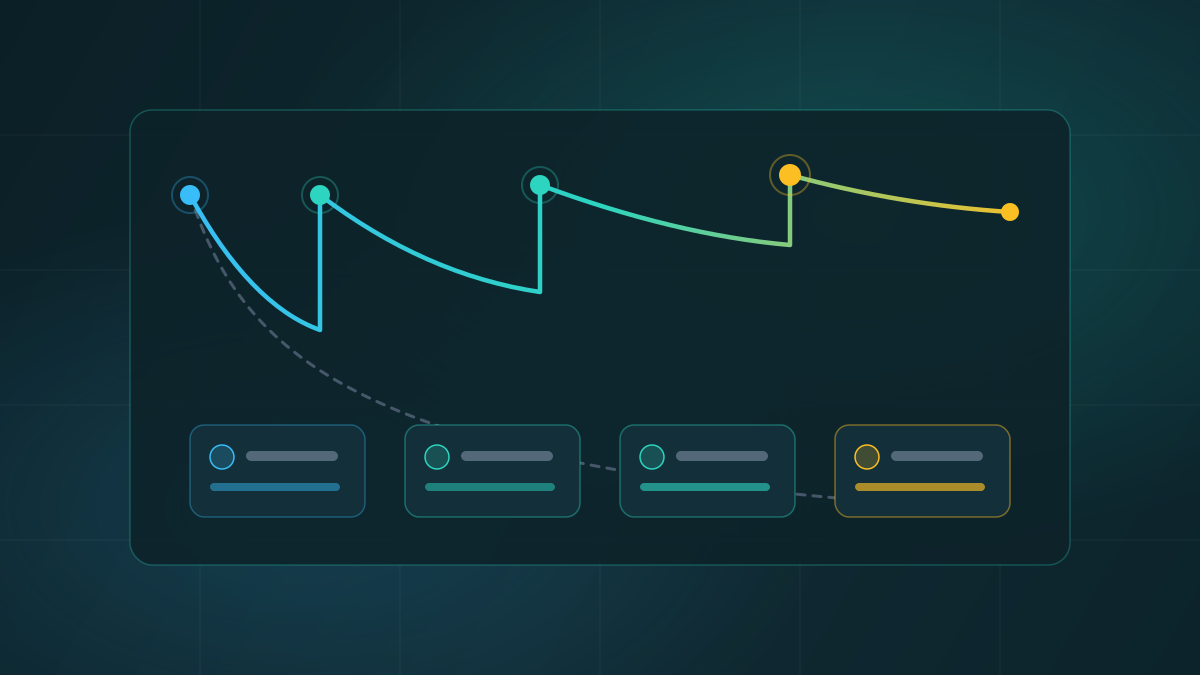
Without a sound pedagogical backbone, e-learning becomes a passive content archive. Richard Mayer's Principles of Multimedia Learning demonstrate that human working memory is easily overloaded when dense text and unaligned visuals compete for attention.
- Long, passive video lectures accelerate forgetting within the first 48 hours.
- Multiple-choice quizzes without realistic workplace context measure recall rather than capability.
- Assigning identical modules to every role wastes experienced staff time and lowers engagement.
2. Four pillars of modern corporate learning design
When building sustainable learning ecosystems for organisations, we combine the ADDIE model and backward design across four practical layers:
- Needs & Performance Analysis: Separating genuine skill gaps from process, tooling or incentive issues before creating content.
- Micro-Learning & Scenario Architecture: Breaking long courses into five-to-seven minute decision-driven modules through our E-Learning & Digital Content Development workflow.
- Learning in the Flow of Work: Providing concise job aids, simulations and manager coaching prompts accessible right when work happens.
- Modern Data Tracking (xAPI): Capturing real simulation choices rather than simple completion flags using the Experience API (xAPI) specification.
3. Traditional e-learning vs. corporate learning design
| Dimension | Traditional E-Learning | Corporate Learning Design |
|---|---|---|
| Starting point | Existing manuals and slide decks | On-the-job performance and business goals |
| Format | 45–60 minute linear recordings | 5–7 minute branching scenarios |
| Evaluation | Attendance and final quiz score | Workplace transfer via the Kirkpatrick model |
| Data layer | Basic LMS login and completion | xAPI statements and learning analytics |
To see these principles applied in practice, explore our Transforming a Call Centre case story.
4. Making learning ROI visible
For leadership teams, training value is reflected in operational metrics rather than completion percentages. Through Assessment & Learning Analytics, we anchor every programme to observable business indicators such as faster onboarding, fewer operational errors and stronger customer outcomes.
Well-crafted corporate e-learning does not feel like a compliance chore — it equips people to do their work with greater clarity and confidence.
Arpemit Learning Design Team
Conclusion: Design capability, not slides
If you are ready to transform onboarding, compliance, sales or leadership training into an evidence-based corporate learning design and e-learning system, get in touch with our team to schedule a free 30-minute discovery call.